

Pay More to Prevent Pregnancy: China’s New VAT Hits Condoms
China’s latest tax law update removes VAT exemption for contraceptives. 🍆

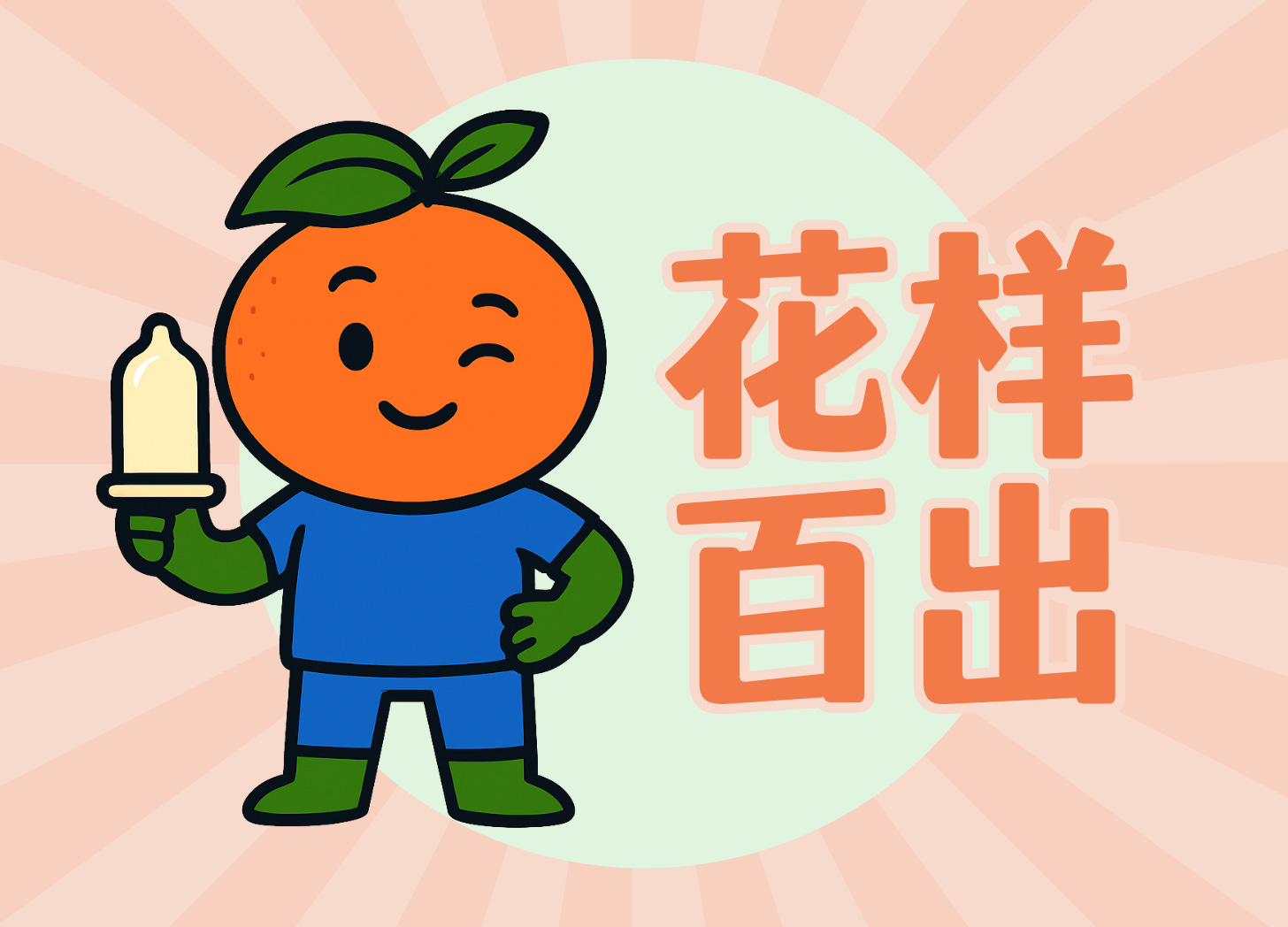
Word of the week: 花样百出 (huāyàng bǎichū)
Meaning: to come up with endless tricks; full of gimmicks
就是不解决根本问题,反正花样百出。"It doesn’t address the root problems, (they) just keep trying new tricks.”
You may have heard that starting from January 2026, China is making contraceptives a bit pricier. With a recent tax change ending decades of VAT exemption on birth control, the move has people talking—especially as the government tries to encourage more babies.
Let’s take a look at the recent policy changes and see what Chinese netizens are saying about them.
中国将自2026年1月1日起施行《增值税法》,取代现行的《增值税暂行条例》,避孕药品和用具不再纳入免征增值税项目。目前,避孕药品和用具主要适用13%的增值税税率。增值税属于流转税,理论上税负由最终消费者承担,即由消费者买单。
中国媒《第一财经》12月1日报道,上海交通大学、中国政法大学研究财税法的学者对即将实施的政策进行了解读。
施行 (shīxíng) – to implement; to put into effect
增值税 (zēngzhíshuì) – Value-Added Tax (VAT)
取代 (qǔdài) – to replace
现行 (xiànxíng) – currently in force; existing
暂行条例 (zànxíng tiáolì) – provisional regulations
避孕药品 (bìyùn yàopǐn) – contraceptive medicines
纳入 (nàrù) – to include; to bring into
免征 (miǎnzhēng) – exempt from (tax)
税率 (shuìlǜ) – tax rate
流转税 (liúzhuǎnshuì) – turnover tax
理论上 (lǐlùn shàng) – in theory
税负 (shuìfù) – tax burden
消费者 (xiāofèizhě) – consumer
财税法 (cáishuì fǎ) – fiscal and tax law
解读 (jiědú) – to interpret; analysis
China will implement a new Value-Added Tax (VAT) Law starting January 1, 2026, replacing the current Provisional Regulations on VAT. Contraceptive medicines and devices will no longer be included in the list of VAT-exempt items. At present, contraceptive medicines and devices are generally subject to a 13% VAT rate. VAT is a turnover tax, and in theory the tax burden is borne by the final consumer—in other words, consumers ultimately pay the cost.
Mainland Chinese media outlet First Financial reported on December 1 that scholars specializing in fiscal and tax law from Shanghai Jiao Tong University and China University of Political Science and Law have interpreted the upcoming policy.

专家表示,1993年《增值税暂行条例》首次公布时,就将避孕药品和用具纳入免税项目,此后几次修订均予以保留。当时的背景是中国正在实施计划生育政策,该政策有助于“控制人口过快增长”。如今,中国人口政策已发生重大变化,“目前鼓励生育,因此这一税收优惠政策也随之调整”。
首次公布 (shǒucì gōngbù) – first promulgated; first announced
修订 (xiūdìng) – to revise; amendment
予以保留 (yǔyǐ bǎoliú) – to retain; to keep in place
计划生育政策 (jìhuà shēngyù zhèngcè) – family planning policy
有助于 (yǒu zhù yú) – to help; to contribute to
过快增长 (guòkuài zēngzhǎng) – excessively rapid growth
鼓励生育 (gǔlì shēngyù) – to encourage childbirth
税收优惠政策 (shuìshōu yōuhuì zhèngcè) – preferential tax policy; tax incentive policy
随之调整 (suízhī tiáozhěng) – to be adjusted accordingly
Experts noted that when the Provisional VAT Regulations were first introduced in 1993, contraceptive medicines and devices were included as tax-exempt items, and this exemption was retained through several subsequent revisions. At the time, China was implementing its family planning policy, and the exemption helped “control excessively rapid population growth.” Today, China’s population policy has undergone significant changes. “The current emphasis is on encouraging childbirth, and accordingly this tax incentive policy has been adjusted.”

相关消息引发网民热议:“增加避孕成本就能提高生育率?”“为了提高生育率都这样了,避孕用品不是为了防止传染病吗?以后不会直接下架吧?”“又是哪个‘砖家’出的主意?”“就是不解决根本问题,反正花样百出。”“低生育率的主要原因是收入低、假期少,别整这些没用的。”“有些新闻第一眼看还以为是网友在开玩笑、写科幻、搞抽象。”
引发 (yǐnfā) – to trigger; to provoke
网民 (wǎngmín) – netizens; internet users
热议 (rèyì) – heated discussion; hot topic
避孕成本 (bìyùn chéngběn) – cost of contraception
提高生育率 (tígāo shēngyù lǜ) – to increase the fertility rate
传染病 (chuánrǎnbìng) – infectious disease
下架 (xiàjià) – to remove from shelves; to discontinue (a product)
砖家 (zhuān jiā) – sarcastic term for “so-called expert”
根本问题 (gēnběn wèntí) – fundamental problem; root issue
花样百出 (huāyàng bǎichū) – to come up with endless tricks; full of gimmicks
低生育率 (dī shēngyù lǜ) – low fertility rate
主要原因 (zhǔyào yuányīn) – main reason; primary cause
收入低 (shōurù dī) – low income
假期少 (jiàqī shǎo) – few holidays; limited vacation time
别整 (bié zhěng) – don’t do; stop messing with
没用的 (méi yòng de) – useless; ineffective
第一眼 (dì yī yǎn) – at first glance
开玩笑 (kāi wánxiào) – to joke; joking
写科幻 (xiě kēhuàn) – to write science fiction
搞抽象 (gǎo chōuxiàng) – to do abstract stuff; obscure or unrealistic
The news sparked heated discussion online. Netizens commented: “Raising the cost of contraception to boost birth rates?” “Isn’t contraceptive use also about preventing infectious diseases? Are they going to take these products off the shelves next?” “Which ‘expert’ came up with this idea?” “They never address the root problems—just keep trying new tricks.” “The main reasons for low birth rates are low incomes and too little time off. Stop doing useless things.” “Some news stories are so absurd that at first glance you think they’re jokes, science fiction, or satire.”

“真正让年轻人不敢生育的,从来不是避孕产品太便宜,而是育儿过程中层层叠加的焦虑与现实压力,这一点只要深入普通家庭就能看得很清楚。
真正 (zhēnzhèng) – truly; genuinely
不敢 (bù gǎn) – dare not; feel afraid to
育儿过程 (yù’ér guòchéng) – child-rearing process; parenting process
层层叠加 (céng céng diéjiā) – layer upon layer; accumulate gradually
焦虑 (jiāolǜ) – anxiety; worry
现实压力 (xiànshí yālì) – real-world pressure; practical stress
深入 (shēnrù) – to go deep into; to examine closely
普通家庭 (pǔtōng jiātíng) – ordinary families; typical households
“What truly discourages young people from having children has never been the low cost of contraceptive products, but rather the layers of anxiety and real-world pressures that accumulate throughout the child-rearing process—something that becomes very clear once you take a close look at ordinary families.”

由于自20世纪80年代起、持续近40年的“一胎化”政策,中国人口持续负增长,总人口在2022年至2024年间已连续三年下降。根据统计数据,2022年全年人口减少约85万人,2023年进一步减少约208万人,至2024年约下降139万人。
由于 (yóuyú) – due to; because of
自…起 (zì… qǐ) – since; starting from
持续 (chíxù) – to continue; continuous
近40年 (jìn 40 nián) – nearly 40 years
一胎化政策 (yī tāi huà zhèngcè) – one-child policy
负增长 (fù zēngzhǎng) – negative growth
总人口 (zǒng rénkǒu) – total population
已连续三年下降 (yǐ liánxù sān nián xiàjiàng) – has declined for three consecutive years
Due to the “one-child policy” that began in the 1980s and lasted for nearly 40 years, China’s population has experienced sustained negative growth. The country’s total population declined for three consecutive years from 2022 to 2024. According to statistical data, the population decreased by approximately 850,000 in 2022, fell by another 2.08 million in 2023, and declined by about 1.39 million in 2024.

为鼓励生育、减缓人口减少的趋势,中国政府陆续推出一系列“催生”措施。例如,2015年全面放开“二孩”政策,2021年进一步放宽生育限制,实施“三孩”政策。
减缓 (jiǎnhuǎn) – to slow down; to mitigate
趋势 (qūshì) – trend
陆续推出 (lùxù tuīchū) – to roll out successively; to introduce one after another
一系列 (yī xìliè) – a series of
催生措施 (cuīshēng cuòshī) – pro-natalist measures; measures to encourage childbirth
全面放开 (quánmiàn fàngkāi) – fully relax; fully open up
放宽 (fàngkuān) – to relax (restrictions)
生育限制 (shēngyù xiànzhì) – birth/fertility restrictions
实施 (shíshī) – to implement; to carry out
In an effort to encourage childbirth and slow the trend of population decline, the Chinese government has rolled out a series of “pro-natalist” measures. These include the full relaxation of the “two-child” policy in 2015, followed by the further lifting of birth restrictions with the introduction of the “three-child” policy in 2021.
Referenced author(s): 方泠卉
Thank you for reading Mandarin Zest. We love to read Chinese with you and want to continue in the future. Please consider pledging to help us write the weekly posts and more! Any pledge, montly or yearly, would be very helpful. 谢谢
Antoine & Dorota